

Sales and marketing teams in senior living are working harder than ever. Both sides are passionate about what they do. Both care about helping families find the right community. And both ultimately want the same thing – healthy occupancy and census growth.
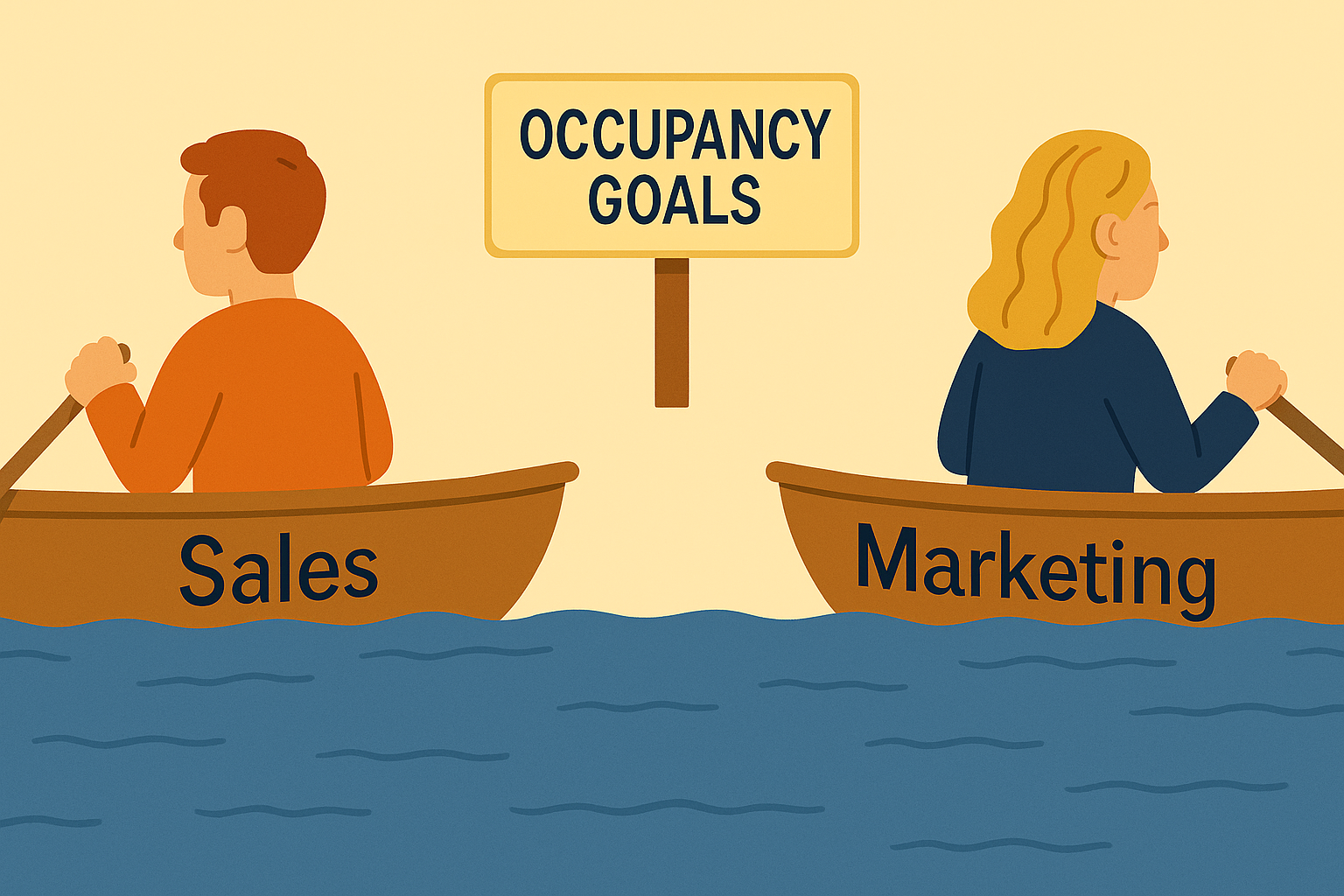
So why does it often feel like they’re rowing in different directions?
The answer isn’t simple. Over the past decade, technology has evolved, the buyer’s journey has changed, and team structures have shifted. In the process, the natural overlap that once existed between sales and marketing has eroded, leaving behind a widening gap.
The good news? That gap isn’t permanent.
In fact, when sales and marketing teams align, the results can be transformative. It can result in faster conversions, stronger lead quality, better ROI, and happier teams.
Let’s unpack what’s causing this divide, how to bridge it, and why alignment is one of the smartest strategic moves your community can make this year.
In this article, we’ll explore:
Why The Great Divide Exists
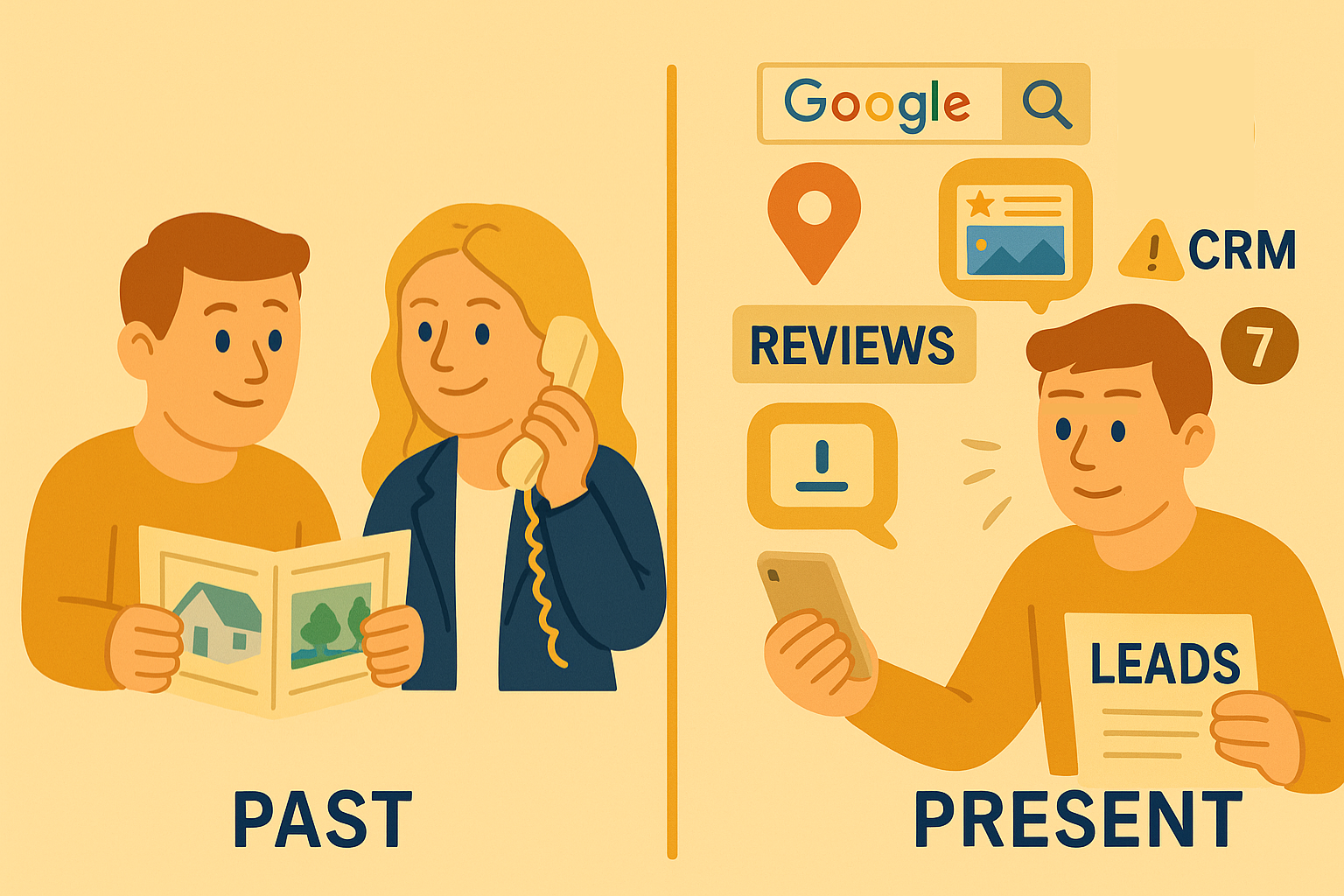
There was a time, not all that long ago, when sales and marketing teams in senior living looked a lot more like one big blended family. The marketing director ran the newspaper ads, organized the community events, mailed out brochures, and made sure the open house had enough cookies. Sales teams fielded the calls, scheduled tours, and followed up with families who often came to them already halfway convinced.
The skill sets overlapped naturally. Everyone spoke the same language.
But that landscape has changed dramatically.
The Digital Shift Changed the Game
Today, most families start their search for senior living online, long before they ever pick up the phone or walk through your doors.
👉 In fact, more than 75% of families begin their senior living research digitally, scrolling through Google results, reviews, virtual tours, and social media before they ever talk to a salesperson. (SHN)
That’s a massive shift. And with that shift, marketing roles have had to evolve fast.
Think about it: Google search algorithms change constantly. AI is reshaping how we create and personalize content. Marketing automation platforms now determine whether a lead lands smoothly in your CRM or gets lost in the digital void. Your community’s reputation is shaped just as much by what’s happening on Google Reviews as it is by the experience at the front desk.
In this environment, marketing isn’t just about designing a pretty brochure anymore. It’s about engineering an entire digital ecosystem that attracts, nurtures, and qualifies leads before sales ever enters the conversation.
A Tale of Two Teams
Here’s a quick example that might sound familiar:
- Marketing launches a well-targeted paid search campaign that generates a wave of new inquiries over the weekend.
- Sales comes in Monday morning to a CRM full of new leads they weren’t expecting. The CRM notifications didn’t flag “hot” leads separately, so the team triages in order of appearance, missing several that were ready to tour immediately.
- A few days later, marketing proudly shares the lead volume numbers in their meeting, while sales vents about “junk leads” that never picked up the phone.
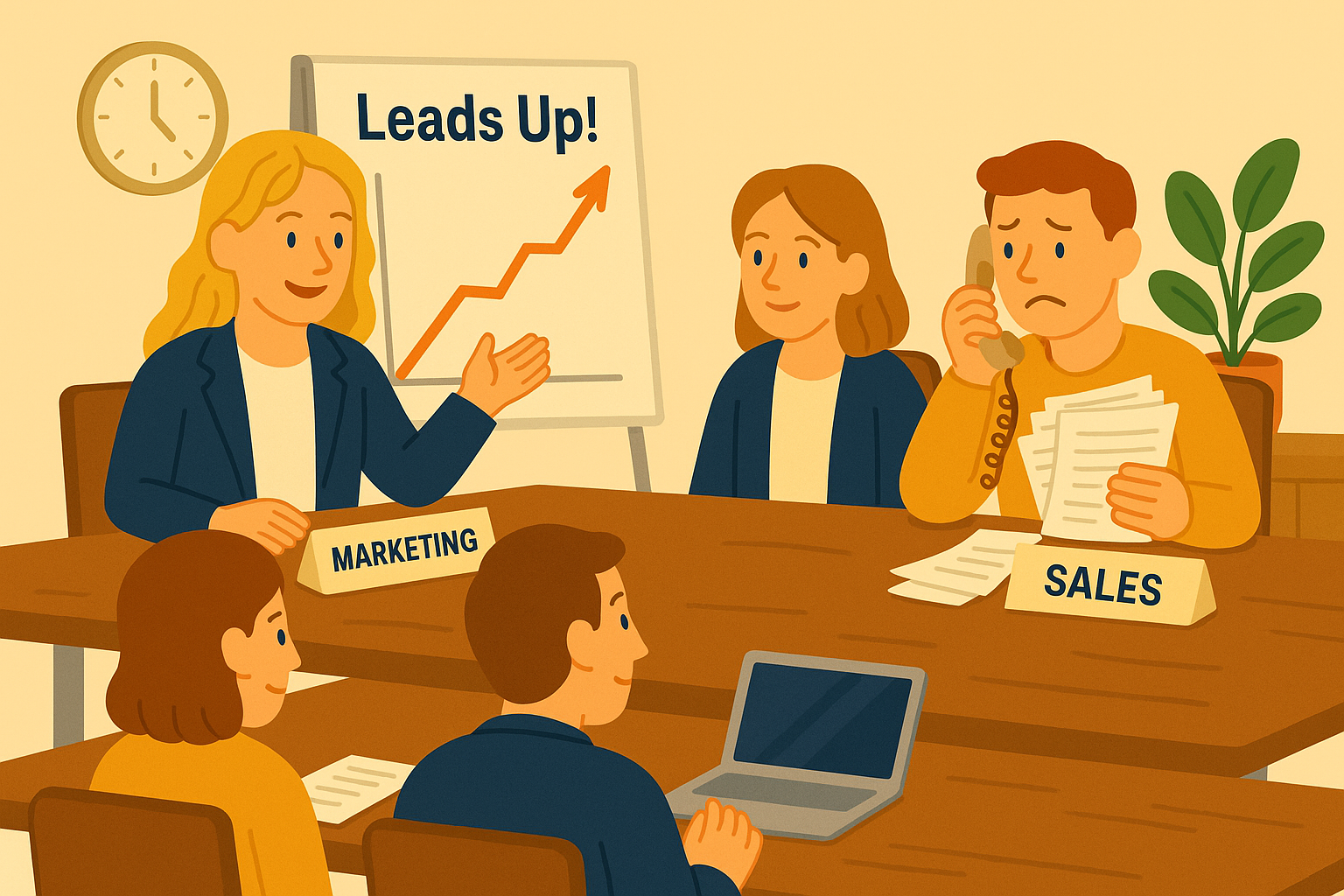
No one’s wrong. However, without shared visibility, clear definitions, and effective communication, both sides often walk away frustrated.
How To Bridge The Gap
Bridging the divide between sales and marketing isn’t about holding a few “alignment meetings” and hoping for the best. Real alignment is built on shared power, shared visibility, and shared curiosity.
If the two teams are going to row in the same direction, you have to start by putting them in the same boat.
- Give Both Teams a Seat at the Table
Alignment starts at the top but too often, marketing gets looped in after the budget’s spent, or sales gets a tech platform they didn’t ask for. That’s how resentment festers.
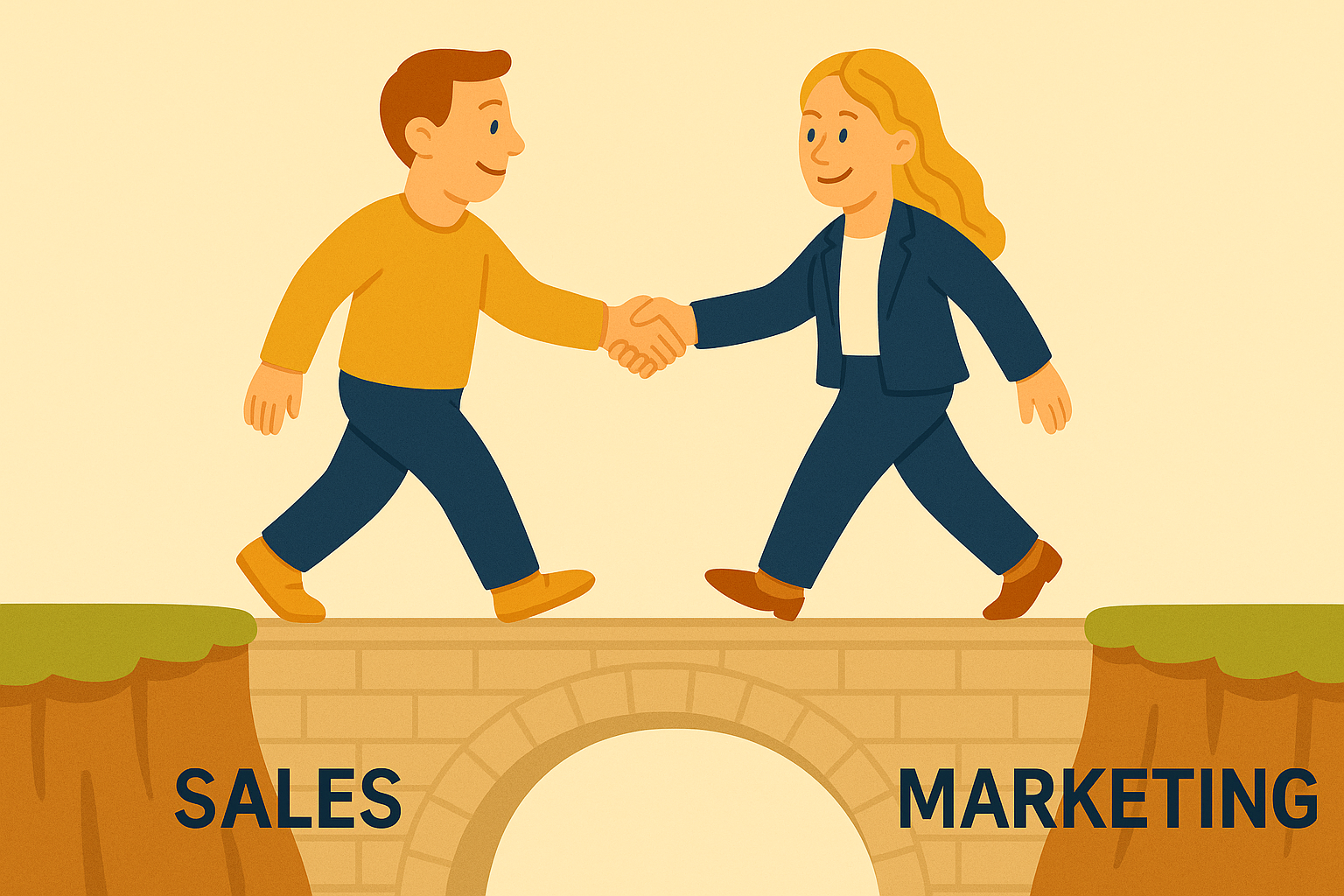
If you want real collaboration, both teams need equal seats at the strategy table when decisions about budget, resources, and training are made. Marketing knows where the digital traffic is heating up. Sales knows what families are actually saying on the tours. If you leave either perspective out, you’re building a strategy on half the story.
2. Set Clear, Controllable KPIs
KPIs are where alignment often breaks down. Marketing celebrates a record number of leads. Sales groans about low conversions. No one’s wrong, but they’re playing different games.
The fix? Clarity and ownership.
- Sales should be measured by metrics they can control.
- Example: Speed-to-lead, tour conversions, and move-ins.
- Marketing should be measured by digital engagement.
- Example: Qualified lead volume and lead-to-tour conversions.
Check out our blog on Reporting, Analytics, & Marketing KPIs for Smart Senior Living Marketers.
- Integrate the Tech Stack
This might be the least glamorous piece of advice, but it’s the most transformative: your tech has to talk to each other.
Your CRM should integrate with your marketing platforms so you can trace a family’s journey from their very first website click all the way to tour and move-in. This kind of full-funnel visibility turns vague conversations (“the leads feel cold”) into data-driven strategy (“Google Ads leads convert 3x better than Facebook, so let’s shift budget”).
If your tech stack isn’t aligned, your teams never will be. Period.
4. Swap Seats and Build Empathy
Here’s a radical idea: make sales and marketing walk in each other’s shoes.
Have marketers sit in on sales calls and community tours to hear the objections, the emotional weight, and the daily realities of closing. Invite sales to marketing campaign kick-offs or strategy sessions so they understand the “why” behind the ads and automations.
Curiosity builds empathy. Empathy builds trust. Trust builds alignment.
Communities that create these shared learning moments don’t just bridge the gap; they erase it.
The Payoff: What Happens When Alignment Clicks
When sales and marketing finally start speaking the same language, it doesn’t just make meetings less painful, but it changes the trajectory of your community.
Alignment isn’t a “nice to have” concept. It’s the difference between teams working in parallel lanes and teams building momentum together. And when it clicks? You feel it everywhere.
1. Conversions Get Stronger (and Faster)
When marketing hands off leads that are actually qualified, and sales follows up with speed and precision, you unlock the kind of momentum that shows up in your numbers.
Families move more quickly through the funnel because they’re met with consistent messaging from that first Google search to the follow-up call. Marketing warms them up. Sales brings it home.
The result? More tours booked. More move-ins closed. Less friction.
2. Your Budget Works Smarter, Not Harder
Misalignment is expensive. When marketing is driving traffic that sales can’t convert, or sales is spending time chasing unqualified leads, budget gets wasted.
When the two teams are in sync, you can see exactly which campaigns generate high-intent prospects and which channels deliver the best ROI. That means smarter ad spend, cleaner pipelines, and fewer “spray and pray” campaigns.
It’s not about spending more; it’s about spending wisely.
3. Teams Get More Productive (and Less Burned Out)
Few things drain a team faster than finger-pointing and miscommunication. When sales and marketing operate in silos, it breeds frustration:
- Marketing wonders why sales “never followed up.”
- Sales wonders why marketing keeps sending “junk leads.”
Alignment replaces frustration with clarity. Each team knows their role, trusts the other, and has shared visibility into the full journey. That clarity is energizing.
4. Families Feel It Too
This might be the most underrated benefit. When your teams are aligned, families experience a seamless journey.
They see consistent messaging, timely follow-up, and thoughtful communication from the very first click to move-in day. That builds trust. And in senior living, trust drives decisions.
✨ Ready to Close the Gap? Let’s Align and Shine.
The truth is, alignment doesn’t happen by accident – it happens by design.
When sales and marketing teams share power, visibility, and strategy, the results speak for themselves: faster conversions, smarter budgets, happier teams, and families who feel seen every step of the way.
At Smart Girl Digital, we help senior living operators build the digital backbone that fuels this kind of alignment. From tech stack integrations and marketing automation to full-funnel strategy and campaign execution, we bridge the gap so your teams can stop pointing fingers and start pulling in the same direction.
Because when your strategy sparkles, your results do too. ✨ Let’s start the conversation.