

The senior living industry demands a unique blend of empathy, strategic thinking, and resilience. Leaders in this space carry the immense responsibility of not only managing operations but also cultivating environments where residents thrive and employees feel valued.
However, the pressures of achieving operational success, maintaining resident satisfaction, and supporting team dynamics often leave leaders feeling overwhelmed.
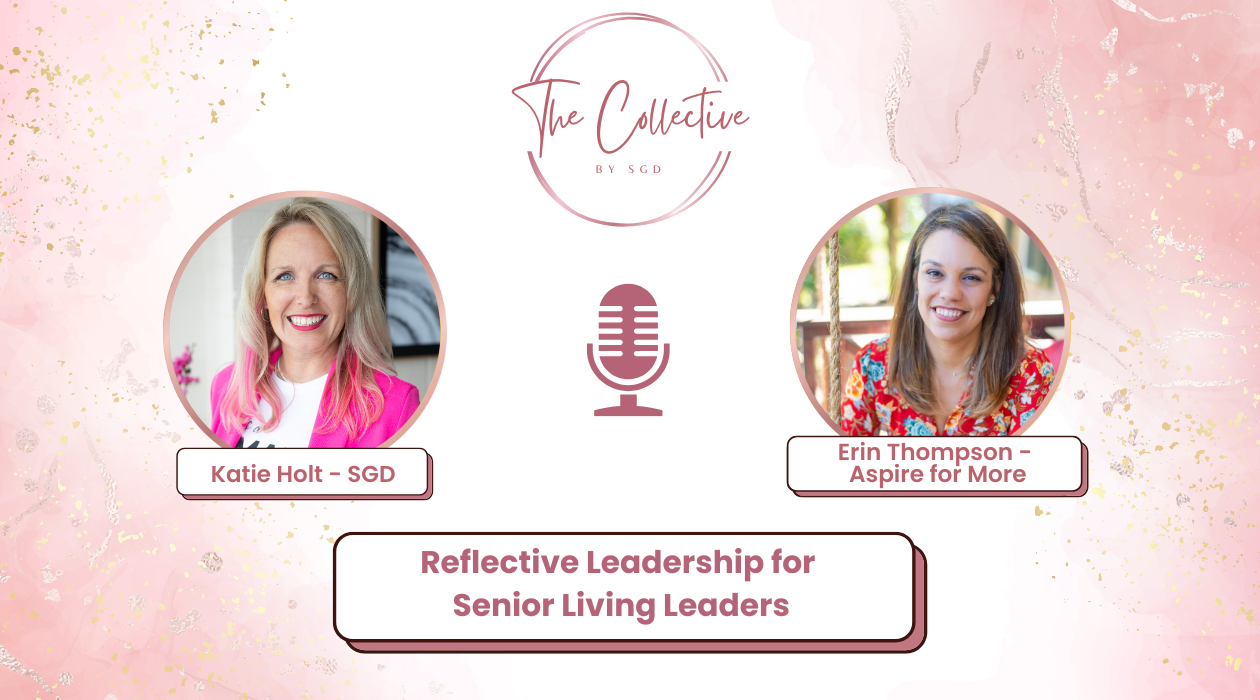
On an episode of The Collective Podcast, Erin Thompson, a Leadership and Confidence Coach for the senior living industry, offered a fresh perspective on tackling these challenges. Through her work and personal journey, she’s helped countless leaders rediscover their purpose, build confidence, and create more fulfilling professional lives.
This blog distills Erin’s key insights into actionable strategies to help senior living leaders embrace growth and resilience in their roles.
Let’s dive in…
The Power of Mindset and Vulnerability
Leadership begins with mindset. Erin emphasizes the importance of shifting from a goal-oriented to a growth-oriented perspective. Leaders who focus exclusively on achieving outcomes often tie their self-worth to external validation, which can lead to burnout and dissatisfaction. Instead, leaders are encouraged to embrace the journey itself as a source of confidence and self-worth.
Vulnerability plays a crucial role here. By being authentic and open about their own challenges and imperfections, leaders build trust and inspire their teams. Vulnerability humanizes leadership, creating an environment where team members feel seen and supported, fostering deeper connections and stronger engagement.
Redefining Success through Boundaries
Senior living leaders are often driven by a desire to serve, but this drive can lead to overextension and burnout.
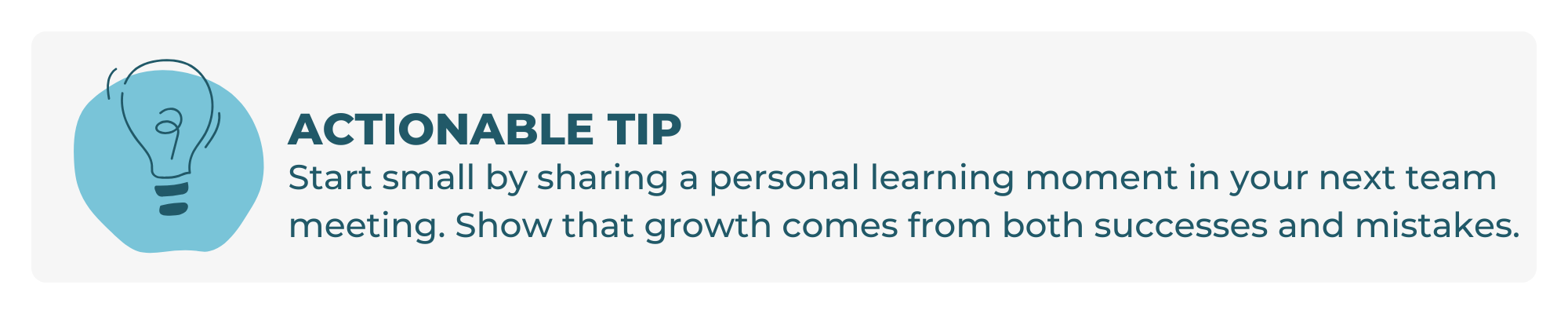
Setting boundaries is crucial to protecting personal well-being and focusing on long-term success. Boundaries aren’t about saying “no” to responsibilities but about prioritizing what truly matters and learning to reset when overwhelmed.
Establishing boundaries also models healthy behaviors for the team. When leaders protect their time and energy, they give their teams permission to do the same, fostering a culture of respect and balance.
Energy Management: Focusing on What Matters
Negative energy is a silent saboteur in leadership. Erin advises leaders to focus their energy on what they can control and to recognize when unproductive thoughts or narratives are holding them back.
For instance, if occupancy rates are low, dwelling on the problem creates frustration. Instead, reframing the situation as an opportunity for improvement shifts the focus to solutions.
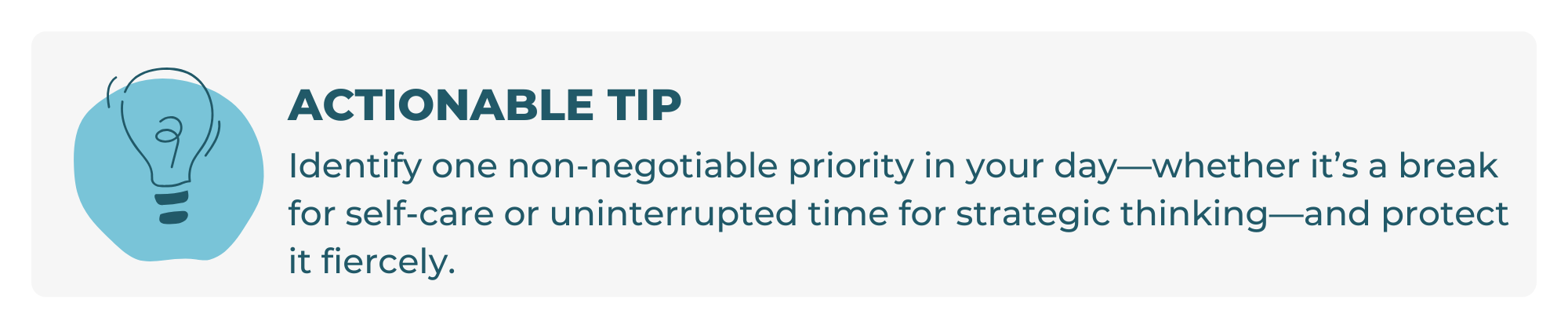
Energy management includes countering any “limiting beliefs” with awareness and acknowledging accomplishments, no matter how small. Celebrating wins—both personal and team-wide—builds momentum and reinforces positivity.
“If we can tackle those three things: Our mindset, our boundaries, and our energy… we can be better people, better leaders, and have a pattern of balance and know when we’re off kilter. Everything else will follow, when you focus on those three things.” -Erin Thompson
Fostering Collaboration & Community
The senior living industry has historically operated in silos, with limited collaboration among leaders. The value of breaking down these barriers to create a culture of openness and support is championed.
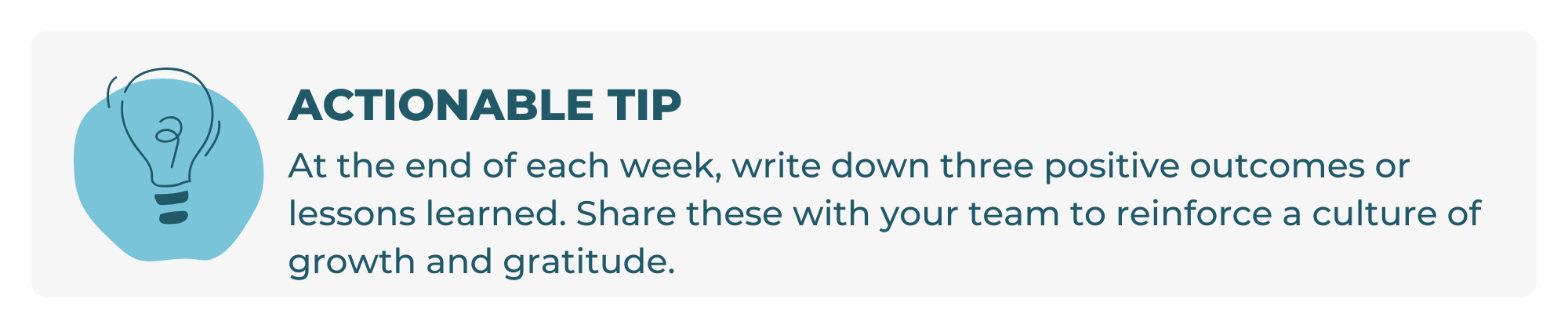
By fostering real conversations that extend beyond operational metrics, leaders can create spaces where challenges are openly discussed and solutions are co-created. This shift from competition to camaraderie within organizations builds trust and resilience across teams.
Empowering the Next Generation
Developing future leaders is essential for the sustainability of the senior living industry. Erin emphasizes the importance of mentorship and training programs that build confidence and skills in emerging leaders.
By investing in professional development at all levels, organizations create a pipeline of talent ready to meet the demands of the industry.
Empowering new leaders also involves recognizing and leveraging individual strengths. Instead of being threatened by someone else’s abilities, seasoned leaders should focus on building complementary teams that balance weaknesses with diverse talents.
Human-Centric Leadership in a Changing Workforce
As younger generations enter the workforce, their expectations around purpose and connection are reshaping leadership. It’s imperative for leaders to adapt by fostering work environments that prioritize meaningful engagement, creativity, and inclusivity.
Recognizing the contributions of every team member and involving them in the community’s mission strengthens morale and retention.
Leaders who embrace creativity—whether through innovative hiring practices or team-building initiatives—create dynamic environments that appeal to the modern workforce. These approaches not only attract talent but also enhance resident experiences.
Conclusion
The senior living industry is at a pivotal moment, with challenges and opportunities in equal measure. By embracing Erin Thompson’s insights on mindset, boundaries, energy, collaboration, empowerment, and human-centric leadership, senior living leaders can navigate these complexities with confidence and purpose.
The key to thriving lies in continuous growth—both personal and professional—and fostering environments where teams and residents can flourish together.
Whether you’re a seasoned executive or an emerging leader, now is the time to embrace these principles and lead with resilience, authenticity, and vision.
Conversations from The Collective
The Collective is a conversation series with senior living professionals who are challenging the status quo of the industry. We talk to those who have forged their own path in the industry and learn what drives them and how their passion for senior living started.
Interested in being a guest on The Collective podcast? Click here.